

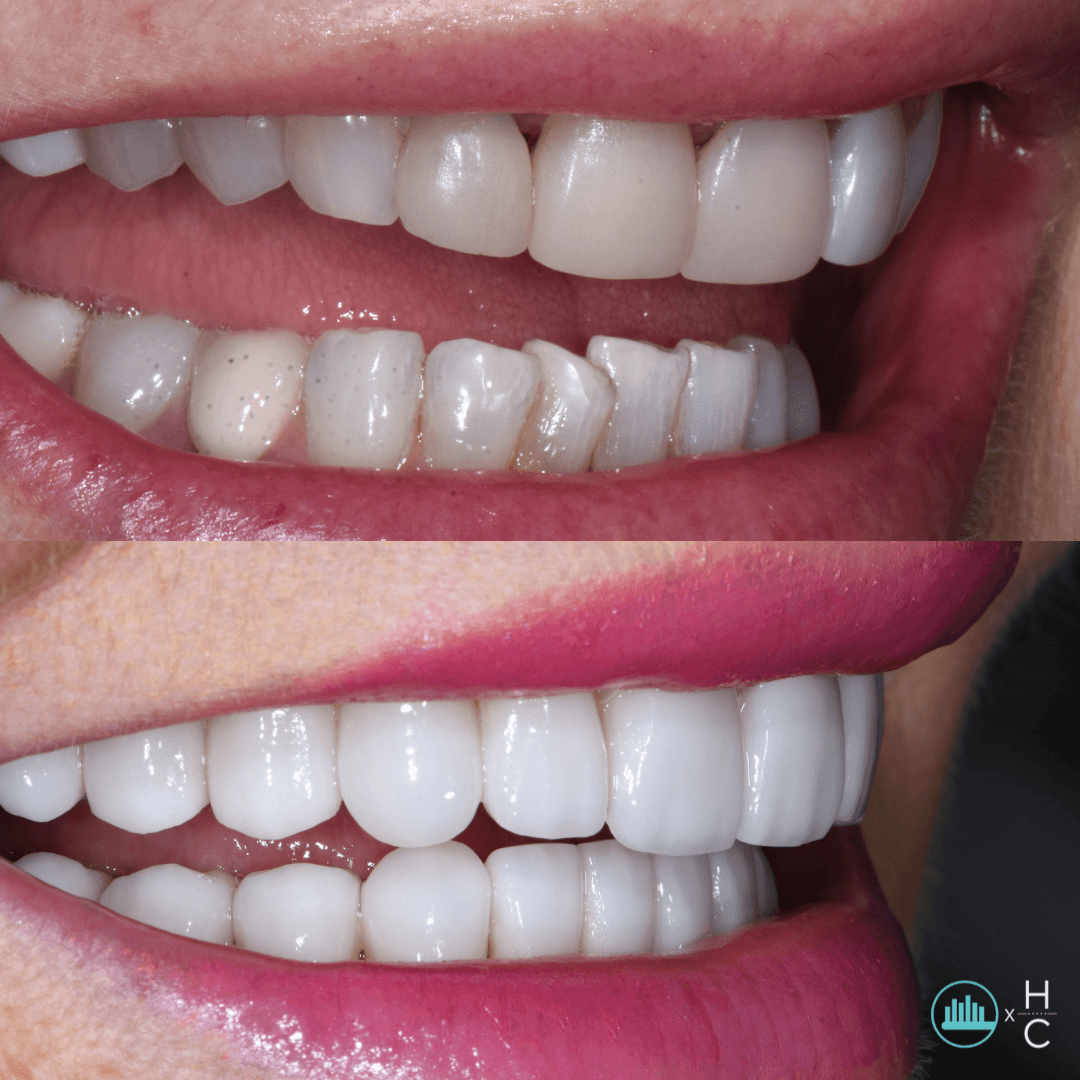
Gingivectomy is a dental procedure involving the surgical removal of extra gum tissue to improve oral health and appearance. This method is mainly used to restructure the gums and improve the equilibrium of teeth and gums.
It improves the appearance of one’s smile and promotes better oral hygiene by eliminating overgrown or uneven gum tissue.
Gingivectomy is frequently prescribed for people with gum disease or as a cosmetic remedy for those self-conscious about their gummy grins.
Alternative Term: Gum Contouring
Gingivectomy is often known informally as “gum contouring.” This alternative name emphasizes the fundamental purpose of the procedure: altering the gums to create a more aesthetically pleasing and harmonious dental appearance.
Gingivectomy or gum contouring, as the procedure is known, provides a beneficial solution for both dental health and cosmetic concerns, making it a popular choice among people looking for a beautiful and healthy smile.
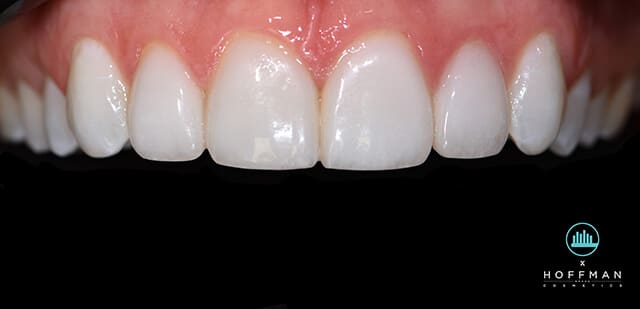
Common Reasons for Gingivectomy
Gingivectomy is commonly used to cure gum disease by removing infected tissue, exposing more tooth surfaces, addressing uneven gum growth or gum overgrowth caused by certain medications, and improving the appearance of a gummy smile for cosmetic purposes. This operation can result in better oral health and a more appealing smile.
Gum Health and Aesthetic Considerations
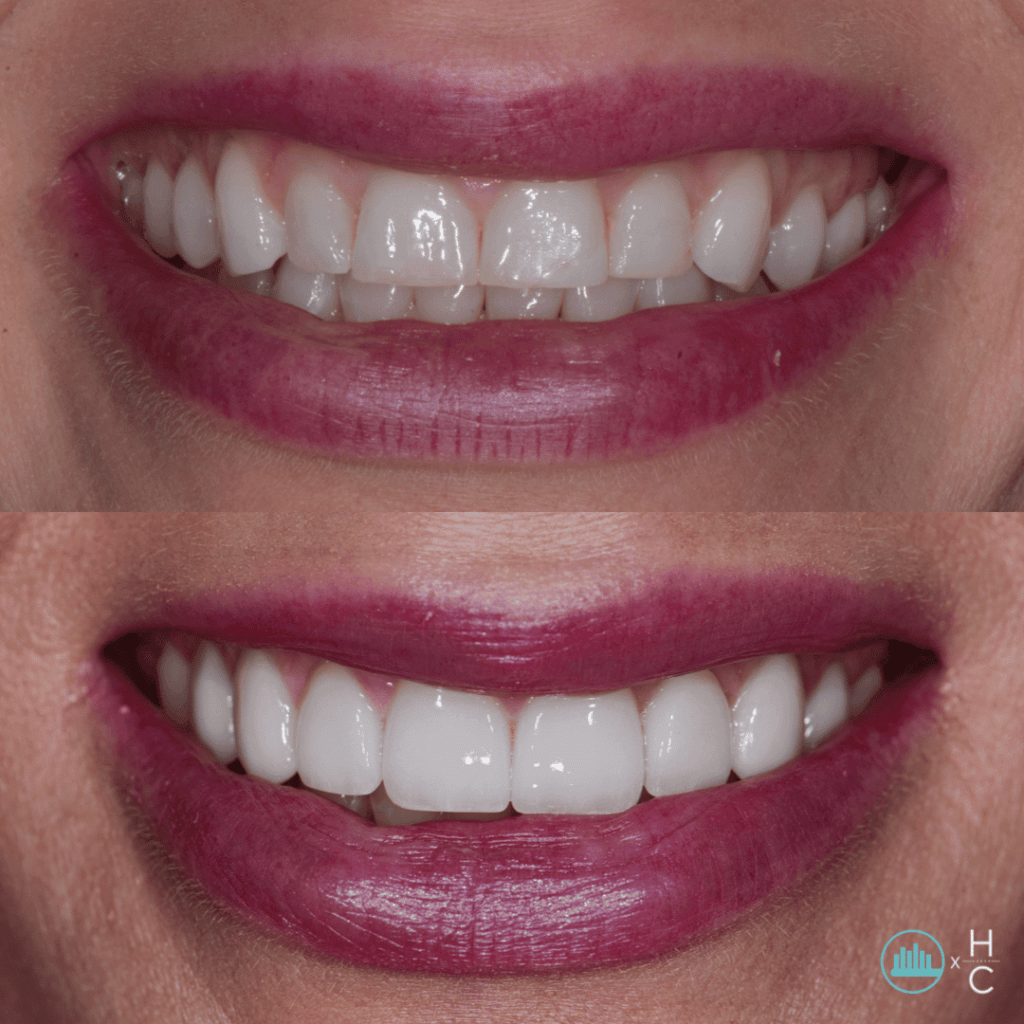
Gingivectomy treats both restorative and cosmetic issues. It can be a life-changing operation for people who have a gummy smile. Gingivectomy can produce a more harmonious balance between teeth and gums by meticulously shaping the gum line, resulting in a more appealing and confident smile.
The procedure’s combined emphasis on oral health and aesthetics makes it an appealing alternative for anyone wishing to improve their dental health and attractiveness.
The Gingivectomy Procedure: What to Expect
Patients will often meet with their dental professional before undergoing a gingivectomy to discuss the procedure and verify they are eligible candidates.
It is essential to discuss any medical history, current medications, and drug allergies with a dental professional. To evaluate the condition of your teeth and gums, X-rays will be taken.
After that, the following process will take place:
- Anesthesia: The dental professional will administer local anesthetics to ensure your comfort.
- Excess Gum Tissue Removal: The dentist or surgeon will carefully remove the excess gum tissue once the patient is numb. This is accomplished with specialized lasers, and the patient’s requirements determine the extent of tissue removal. It might range from minimal contouring to primary tissue excision.
- Shaping and Contouring: After removing excessive gum tissue, the dentist will shape and contour the gum line to obtain a balanced and aesthetically acceptable appearance. This stage is critical, particularly in cosmetic gingivectomy treatments, because it influences the ultimate result.
Procedure Duration
The length of a gingivectomy depends on the complexity of the situation. The procedure typically takes 30 minutes, while more complicated instances may take longer.
Techniques That Are Minimally Invasive Invasive
Minimally invasive procedures, like laser-assisted gingivectomy, have recently been adopted in dentistry. These methods lessen pain, bleeding, and recovery time. Laser gingivectomy employs a high-intensity light beam to accurately remove gum tissue, making it an appealing alternative for patients seeking a more comfortable and faster recovery.
Overall, gingivectomy is a well-established operation that can be a simple and effective therapy for various dental health and aesthetic issues when performed by a qualified dental specialist.
Recovering from Gingivectomy: Your Road to Oral Health and Beauty
Immediate Post-Procedure Care
Patients may feel some discomfort following a gingivectomy. This pain can be managed with over-the-counter pain medicines and/or medicated oral rinses provided by a dentist. Following the dentist’s prescription advice is critical for a more comfortable recovery.
Swelling and minor discomfort are expected side effects of the surgery. Swelling can be reduced by applying ice to the affected area. A gentle toothbrush and avoiding hot or spicy foods help prevent further discomfort.
Expected Recovery Timeline
Healing typically takes a few days to a couple of weeks, while the swelling and pain will peak within the first 24 to 48 hours. Thereafter it will subside. It is important to get enough rest and avoid any strenuous physical activities.
Long-Term Aftercare
Long-term aftercare is essential to the success of a gingivectomy. Patients should maintain good dental hygiene habits, such as regular brushing and flossing, but should be cautious around the surgery site.
Follow-up visits to the dentist are required to check the healing process and verify no problems. As the gums heal, the full extent of the procedure’s benefits will become clear.
To ensure a smooth recovery, it is critical to follow the post-operative advice offered by the dental practitioner. Patients can experience improved dental health and the visual benefits of a well-balanced gum line as the gums heal, and the discomfort subsides.
Benefits of Gingivectomy: Beyond Aesthetics
Gingivectomy benefits extend beyond aesthetics to include several key elements of dental health. For starters, it is an effective technique for treating gum disease by removing contaminated tissue, reducing its spread, and boosting gum health.
This surgery can also expose more tooth surfaces by removing extra gum tissue, assisting with correct dental care, and decreasing the chance of plaque formation.
Furthermore, gingivectomy can boost a patient’s self-esteem by transforming a gummy smile into a harmonic and visually beautiful one.
In addition to these cosmetic and oral health benefits, Gingivectomy is essential in restorative dentistry and cosmetic dentistry, providing various benefits that go far beyond the surface.
Understanding the Risks and Considerations of Gingivectomy
While this is a fairly simple and safe procedure, infection is a potential risk related to gingivectomy. It’s critical to comprehend and share your dental professional’s concerns.
Choosing a trained practitioner, such as The Chicago Dental Studio, and following up on post-operative care is critical in avoiding these risks and achieving a satisfactory outcome.
Your Path to a Healthier, More Beautiful Smile
Finally, a gingivectomy is your ticket to a healthier, more beautiful smile. This procedure can be revolutionary whether you want better dental health or an enhanced appearance.
The Chicago Dental Studio is here to assist you on your journey to a radiant and confident smile with expert guidance and professional care.
